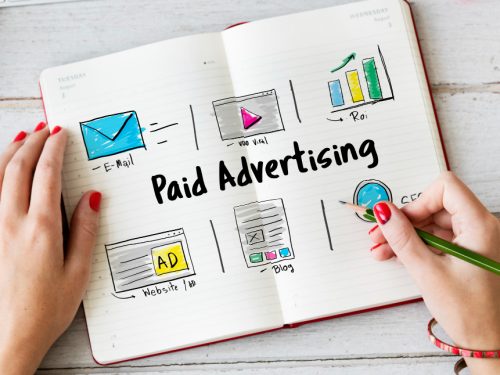

Facebook Ads is a powerful advertising platform that allows businesses to reach a targeted audience across Facebook, Instagram, Messenger, and other partner networks. With over 2.8 billion monthly active users, Facebook Ads enables businesses to promote their products, services, and brand to an extensive range of potential customers. What makes Facebook Ads effective is its targeting capabilities, which allow businesses to refine their audience based on factors like demographics, interests, and online behavior. This guide will walk you through the basics of Facebook Ads, how it works, and the step-by-step process to create your first successful ad campaign.
1. Understanding How Facebook Ads Works
Facebook Ads operates on a pay-per-click (PPC) model, meaning you only pay when someone clicks on your ad. The platform uses a complex auction system where advertisers compete to have their ads displayed to their target audience. Your bid, ad quality, and the relevance of your ad to the audience determine whether your ad will be shown.
When creating an ad, you define your target audience, set your budget, and choose the campaign objective (whether you want to drive traffic, conversions, or awareness). Facebook’s algorithm then determines where and when to show your ad to maximize its effectiveness.
2. Step-by-Step Process to Master Facebook Ads
Step 1: Set Up Your Facebook Ads Account
Before you begin creating campaigns, you need to set up your Facebook Ads account:
-
Create a Facebook Business Manager account at business.facebook.com.
-
Link your Facebook Page to your Business Manager.
-
Add a payment method to allow the platform to charge for ad campaigns.
This will allow you to manage your ad campaigns and ensure they are linked to your business profile.
Step 2: Choose Your Campaign Objective
Facebook offers different campaign objectives, each catering to specific goals. When starting, choose the one that best aligns with your business goals:
-
Brand Awareness: To reach as many people as possible.
-
Traffic: To drive visitors to your website or landing page.
-
Engagement: To boost likes, comments, and shares on your content.
-
Conversions: To get users to take a specific action on your website (like purchasing or signing up).
-
Lead Generation: To collect contact details for follow-up.
Pick the objective that matches what you want to achieve with your ads.
Step 3: Define Your Target Audience
Facebook’s targeting features allow you to reach the people most likely to convert. Here’s how to define your audience:
-
Location: Choose the geographic area where your audience is located (city, region, or country).
-
Demographics: Target users based on age, gender, language, education, and job title.
-
Interests: Select interests related to your business, like hobbies, brands, or activities.
-
Behaviors: Target people based on their online behaviors, such as purchasing habits or device usage.
-
Custom and Lookalike Audiences: Upload your customer list or create lookalike audiences to find new people similar to your existing customers.
Precise targeting ensures that your ads are seen by the people most likely to take action.
Step 4: Set Your Budget
Once you’ve defined your target audience, it’s time to set your budget. You can choose between two types of budgets:
-
Daily Budget: The amount you’re willing to spend per day. Facebook will distribute your budget evenly.
-
Lifetime Budget: The total amount you’re willing to spend over the entire campaign period.
Facebook allows you to adjust your budget at any time, so you can manage your spending effectively.

Step 5: Select Your Ad Placement
Facebook offers various placements for your ads, including:
-
Facebook Feed: Ads appear directly in users’ newsfeeds.
-
Instagram Feed: Ads shown in users’ Instagram feed.
-
Stories: Full-screen ads on Facebook or Instagram stories.
-
Messenger: Ads displayed in the Messenger app.
If you’re unsure, Facebook recommends automatic placements, which let their algorithm optimize ad delivery across all platforms for better performance.
Step 6: Design Your Ad
Your ad’s visuals and copy are critical in grabbing attention and driving engagement. Here’s how to create a compelling ad:
-
Choose an Ad Format: Depending on your goal, you can select from various formats such as:
-
Single Image Ad: A simple, clear visual.
-
Carousel Ad: Multiple images or videos that users can swipe through.
-
Video Ad: A dynamic way to showcase products or services.
-
-
Write Compelling Copy: Your headline should capture attention, and the description should provide enough information to persuade users to take action. Include a strong Call-to-Action (CTA), like “Shop Now,” “Learn More,” or “Sign Up.”
-
Use High-Quality Visuals: Ensure your images or videos are high-quality and relevant to the audience you are targeting.
Step 7: Launch Your Campaign
Once your ad is designed and you’ve set your budget, it’s time to launch your campaign. Review all your settings and make sure everything is correct, from audience targeting to ad creatives.
Click the Publish button, and Facebook will start delivering your ad according to your selected budget and schedule.
Step 8: Monitor and Optimize Your Campaign
After your ad goes live, it’s crucial to monitor its performance. Some key metrics to track include:
-
CTR (Click-Through Rate): Measures the percentage of people who clicked on your ad after seeing it.
-
CPC (Cost per Click): Indicates how much you are paying for each click.
-
Conversion Rate: The percentage of people who completed the desired action after clicking on your ad.
-
ROAS (Return on Ad Spend): Measures how much revenue you generate per dollar spent on ads.
Based on these metrics, you can make adjustments to your ad, such as refining your targeting, adjusting your budget, or changing the creative elements.
Step 9: Test Different Variations (A/B Testing)
To optimize your campaigns, run A/B tests to compare different ad variations. Test different headlines, images, CTAs, and targeting options to see which combination yields the best results.
By continuously testing and optimizing, you can ensure your ads are performing at their best.
Mastering Facebook Ads involves understanding the platform’s many features, from setting up your campaign to monitoring and optimizing its performance. With the right targeting, compelling ad creatives, and consistent analysis, you can create effective campaigns that drive traffic, generate leads, and increase conversions for your business.
Take the time to experiment with different ad formats and strategies, and remember that successful Facebook advertising is an ongoing process.